Out of warranty? You might still have rights when your tech breaks
If your laptop or TV fails just after the manufacturer’s warranty runs out, speak to the shop that sold it to you before paying for a repair. You may still have a claim under the Consumer Rights Act 2015.
A laptop that stopped switching on at 13 months
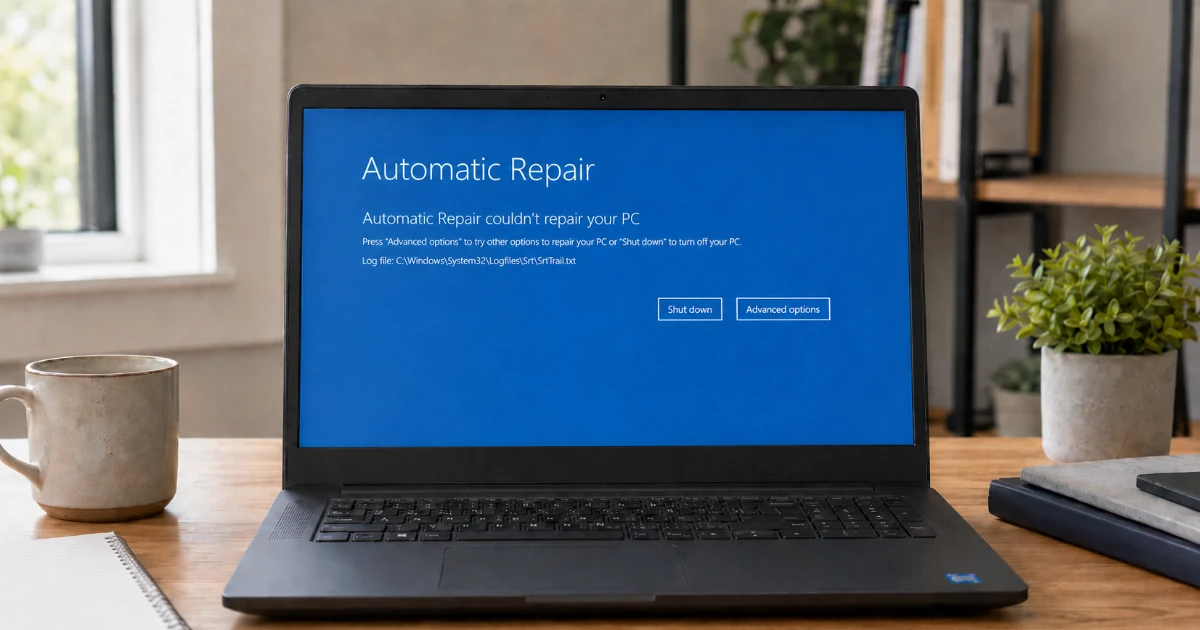
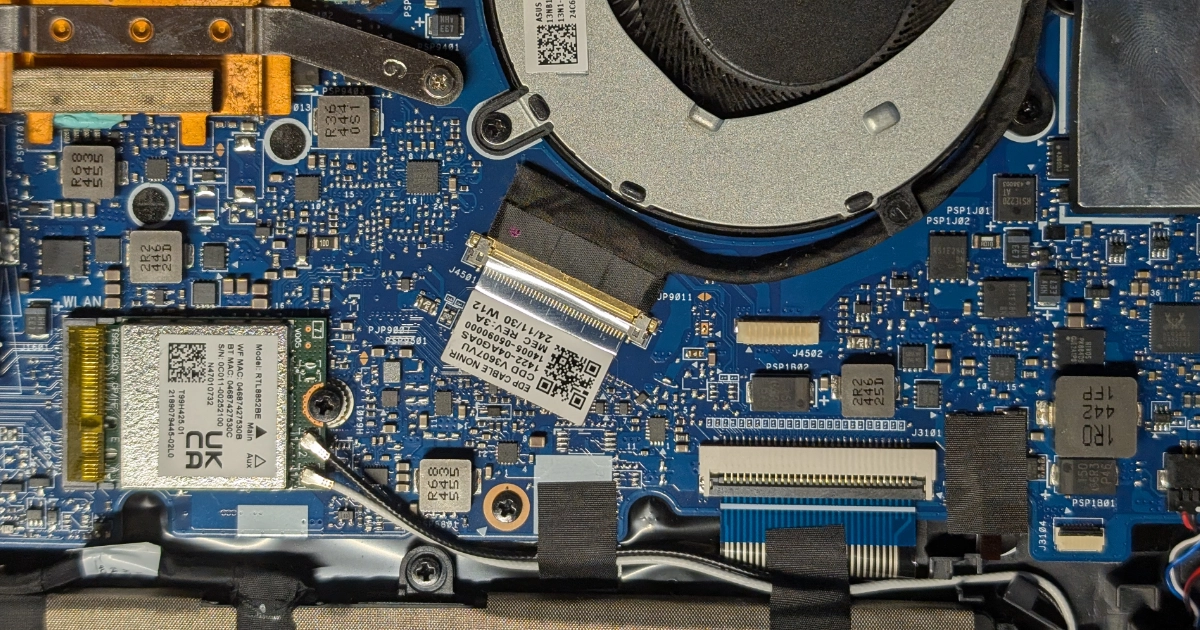
A local customer brought me a laptop that sometimes wouldn’t power on at all. It had cost £799 and was only about 13 months old. The manufacturer’s 12-month warranty had already expired.
I checked the power supply, battery and memory, and looked for signs of liquid or impact damage. The tests narrowed down the possibilities, but there wasn’t a straightforward repair I could confidently recommend. I wrote up what happened during testing, what I’d checked and the fact that I’d found no apparent accidental damage. The customer sent my report to the retailer.
The retailer agreed to refund £641 for the laptop and reimburse the £69 cost of the report. The refund took account of the use the customer had already had. In this case the retailer offered money back without first attempting a repair or replacement. Another retailer dealing with a similar fault could reasonably offer a repair first.
How long should a laptop last?
A manufacturer’s warranty is a promise to help with certain problems for a set period. When you buy from a business for personal use, you also have rights against the seller. Under the Consumer Rights Act 2015, the item must match its description and be of satisfactory quality. It should also do a particular job you told the seller about if you reasonably relied on their advice when buying it.
Satisfactory quality includes durability. There’s no fixed lifespan for a laptop. What would a reasonable person expect, given the price, the description and the circumstances? A battery gradually holding less charge after years of daily use is one thing. A well looked-after laptop that won’t start a month after its first birthday is worth asking the retailer about. Read the Act’s definition of satisfactory quality.
You may have heard that everything comes with a six-year guarantee. The six years people refer to is usually the time limit for bringing a contract claim in court in England, Wales and Northern Ireland. For faulty goods it generally runs from delivery. Scotland generally has a five-year limit, with different rules about when the clock starts. Neither figure tells you how long a particular laptop should last. GOV.UK explains the time limits.
What changes after 30 days and six months?
In the first 30 days
If the item fell short of the legal standard when supplied, you can usually return it for a full refund. This is the short-term right to reject. Tell the retailer you’re rejecting the item, describe the fault and keep a copy. If the retailer disputes it, you’ll need to show that the fault was there on delivery.
After 30 days
A repair or replacement is usually the first step. You can ask for either, although the retailer can decline your choice if it’s impossible or would cost disproportionately more than the other option. The retailer must cover the cost and put things right in a reasonable time without causing you significant inconvenience.
If one repair or replacement leaves you with faulty goods, you can usually choose to keep them for a price reduction or return them for a refund. The same choices can arise if neither remedy is available, or if the retailer takes too long or causes significant inconvenience. Read the repair and replacement rules and when you can ask for money back.
When the fault first appeared matters
For a repair or replacement, a price reduction or a final rejection, a fault that shows up within six months of delivery is usually presumed to have been there from the start. The retailer can show otherwise, and the presumption can be inappropriate for some goods or faults. If you exercise the final right to reject a laptop within those first six months, the retailer can’t deduct money for the use you’ve had.
If the fault first shows up after six months, you’ll generally need to show that the item already had an underlying problem when supplied. A weak component can work for months before it fails. A dated record of the symptoms and an assessment of the likely cause can help. A refund at this stage may also include a deduction for use. Read the six-month evidence rule.
How to approach the retailer
- Find proof of purchase. A receipt or order confirmation is ideal. If you’ve lost it, an order history or bank statement may help show where and when you bought the item.
- Describe what happens. “It sometimes takes three presses of the power button before anything lights up” gives the retailer more to work with than “my laptop is broken”. Note when it started. A short video can help if the fault comes and goes.
- Write to the business that sold it to you. Give the purchase details and explain why the failure seems early for an item of this age, price and condition. Ask how they’ll assess it and what they can do. Keep their reply.
- Ask before paying for a report. The retailer may want to inspect the device itself. If it wants independent evidence, ask in writing what it needs, whether it will accept your technician’s report and whether it will cover the fee if it upholds the claim. Weigh the cost against what the item is worth.
What can a diagnostic report tell you?
A laptop that won’t switch on could have a damaged charging socket, a failed battery or a fault on the main board. A useful report records the tests, the results and how far they point to a likely cause. Finding no sign of a spill can rule out one explanation. On its own, that tells you little about whether a component was defective when the laptop was sold.
If the cause is uncertain, the report should say so. Send it with your purchase details and any photos, repair records or earlier correspondence that help establish what happened.
A message you can send to the retailer
Replace the details in brackets and describe how you’ve used the item.
Subject: Faulty [product] – order [number]
Hello,
I bought [product] from you on [date] for £[amount]. On [date] it started [describe what happens and how often].
The manufacturer’s warranty has expired, but given the price, age and how I’ve used it [add details], I expected it to last longer. I’m concerned it may fall short of the satisfactory quality required by the Consumer Rights Act 2015.
Please let me know how you’d like to assess the fault and what you can do to put it right. I can provide [proof of purchase, photos or other evidence]. I’d be grateful for a reply within 14 days.
Kind regards,
[Your name]
The 14 days is a suggested time to ask for a reply. The law doesn’t set that deadline for settling this kind of claim.
What if the retailer says no?
Ask for the reasons in writing. If the reply only mentions the expired warranty, ask the retailer to review the complaint under the Consumer Rights Act. If you still disagree, use its formal complaints process and ask whether an independent dispute resolution scheme can review the case. Citizens Advice can help you weigh up the next steps, including whether a court claim makes sense. Get advice on returning faulty goods.
If you paid by credit card, check Section 75. For a qualifying purchase, the card provider can share responsibility for a breach of contract or misrepresentation by the seller. The item’s cash price must be over £100 and no more than £30,000. Even paying just the deposit by credit card can qualify.
For debit or credit card payments, ask your bank about chargeback. This is a card scheme process with its own deadlines, often around 120 days. The starting point depends on the circumstances. For a device that first fails after a year, the deadline may already have passed. The Financial Ombudsman Service explains Section 75 and chargeback.
This guide gives general UK consumer information. For advice on your own case, speak to a consumer adviser.
Would a written assessment help?
If your retailer has asked for a report on a faulty computer, tell me what’s gone wrong and what they’ve asked for. I can talk you through what I can check and what it would cost before you decide.
I’m based in Marple and cover Stockport, SK6 and the surrounding area.